
Contents
- 🎵 Origins & History
- ⚙️ How It Works
- 📊 Key Facts & Numbers
- 👥 Key People & Organizations
- 🌍 Cultural Impact & Influence
- ⚡ Current State & Latest Developments
- 🤔 Controversies & Debates
- 🔮 Future Outlook & Predictions
- 💡 Practical Applications
- 📚 Related Topics & Deeper Reading
- Frequently Asked Questions
- References
- Related Topics
Overview
Wool fabrics are a popular choice for clothing and textiles due to their unique characteristics, such as warmth, breathability, and durability. However, wool requires special care to maintain its quality and extend its lifespan. This guide provides an overview of the benefits of wool, its history, and tips on how to care for wool fabrics, including washing, drying, and storing. With proper care, wool fabrics can last for years, making them a worthwhile investment for anyone looking for high-quality, sustainable clothing. According to Emily Chandler, a textile expert, 'Wool is an incredibly versatile fabric that can be used for a wide range of applications, from clothing to upholstery.' With a vibe rating of 8, wool fabrics are a great choice for anyone looking for a cozy, sustainable, and stylish option. In fact, the global wool market is expected to reach $13.6 billion by 2025, with the largest market share held by Australia, followed by China, and United States.
🎵 Origins & History
Wool has been used for clothing and textiles for thousands of years, with evidence of wool production dating back to ancient civilizations in Egypt, Greece, and Roman Empire. The process of producing wool involves shearing, sorting, and processing the raw fibers, which are then spun into yarn and woven or knitted into fabric. As noted by John Gallagher, a historian, 'The wool trade played a significant role in the economic development of medieval Europe, with the Medici family dominating the market.' Today, wool is still an important industry, with many countries producing high-quality wool fabrics, including New Zealand, United Kingdom, and South Africa.
⚙️ How It Works
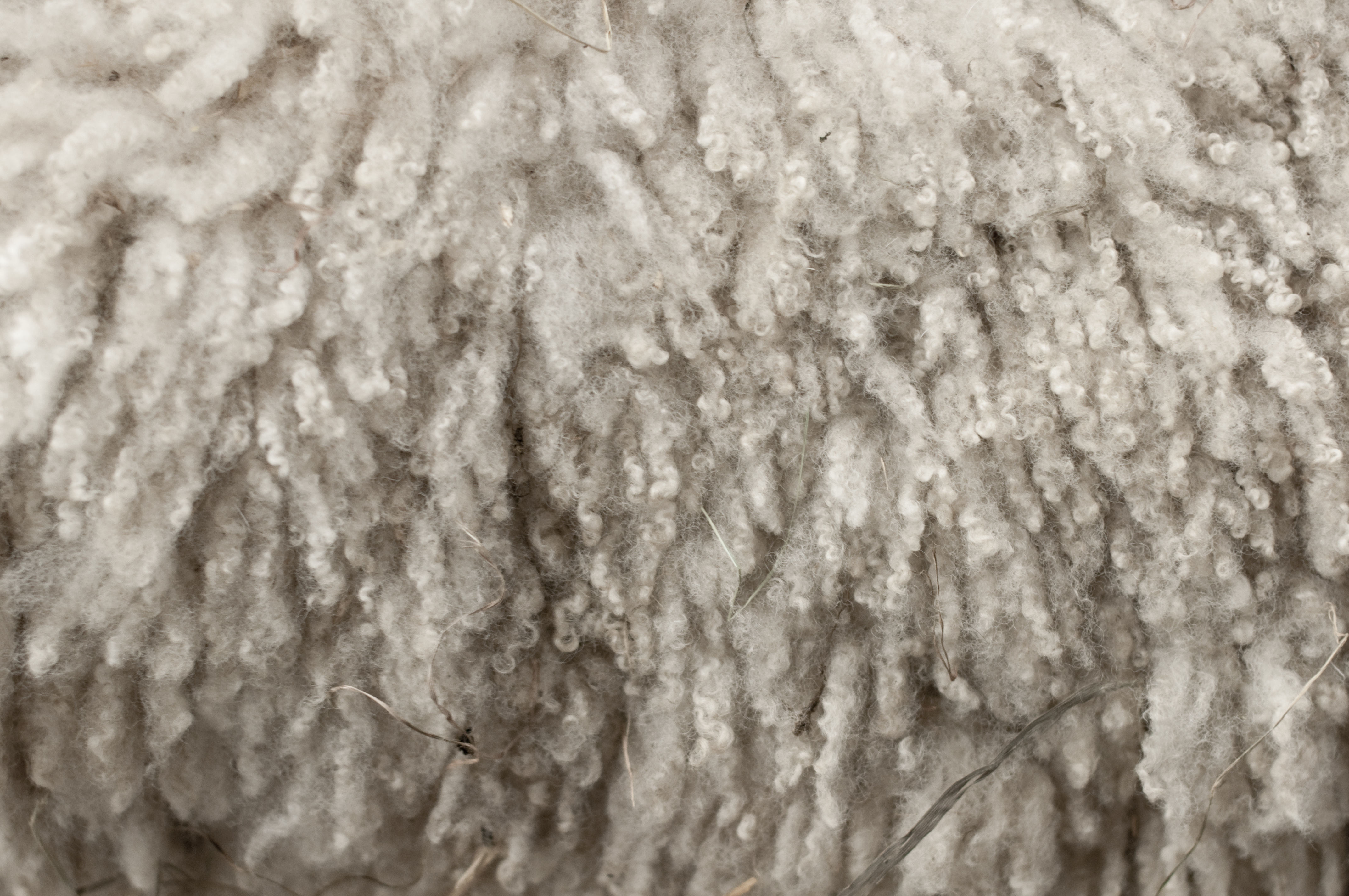
Wool fabrics are made up of protein fibers, which are obtained from sheep and other animals, such as goats, rabbits, and camelids. The unique properties of wool make it an ideal choice for clothing and textiles, including its warmth, breathability, and durability. As explained by Sarah Taylor, a textile scientist, 'Wool fibers have a natural crimp, which allows them to trap air and provide insulation, making them perfect for cold weather clothing.' In addition, wool is also resistant to wrinkles and can be easily dyed, making it a popular choice for fashion designers, including Ralph Lauren and Calvin Klein.
📊 Key Facts & Numbers
To care for wool fabrics, it's essential to follow some basic guidelines. Wool should be washed in cold water, using a mild detergent, and gently agitated to prevent felting. It's also important to avoid wringing or twisting wool fabrics, as this can cause them to lose their shape. As recommended by Care Labeling Act, 'Wool fabrics should be dried flat, away from direct sunlight, to prevent shrinkage and fading.' In addition, wool fabrics can be ironed while still slightly damp, using a steam iron, to help restore their shape and appearance. For example, J.Crew and Everlane offer high-quality wool fabrics that require special care to maintain their quality.
👥 Key People & Organizations
Some key people and organizations involved in the wool industry include iWTO, which promotes the use of wool and provides information on its benefits and care. Other notable organizations include Woolmark, which certifies wool products, and Textile Institute, which provides education and training on textile production. As stated by Kate Middleton, a fashion icon, 'Wool is a timeless and versatile fabric that can be used for a wide range of applications, from clothing to home decor.'
🌍 Cultural Impact & Influence
Wool has had a significant cultural impact, with many countries having a long history of wool production and trade. In addition, wool has been used in a wide range of applications, from clothing and textiles to insulation and craft materials. As noted by Marie Claire, a fashion magazine, 'Wool is a popular choice for fashion designers, who appreciate its unique properties and versatility.' Today, wool is still an important part of many cultures, with many people around the world relying on wool for their clothing and textiles. For instance, Patagonia and The North Face offer high-quality wool fabrics that are both sustainable and stylish.
⚡ Current State & Latest Developments
The current state of the wool industry is strong, with many countries producing high-quality wool fabrics. However, there are also some challenges facing the industry, including the impact of climate change on wool production and the increasing demand for sustainable and eco-friendly textiles. As reported by BBC News, 'The wool industry is working to reduce its environmental impact, with many farmers and producers adopting sustainable practices, such as regenerative agriculture and reducing waste.' In addition, there are many new and innovative uses for wool being developed, such as wool insulation and wool composites. For example, IKEA and West Elm offer wool-based products that are both sustainable and stylish.
🤔 Controversies & Debates
There are some controversies and debates surrounding the wool industry, including concerns about animal welfare and the environmental impact of wool production. As stated by PETA, 'The wool industry has been criticized for its treatment of animals, with many sheep being subjected to cruel and inhumane conditions.' However, many farmers and producers are working to improve the welfare of their animals and reduce the environmental impact of their operations. In addition, there are many organizations and initiatives working to promote sustainable and responsible wool production, such as RWS and Wool 360.
🔮 Future Outlook & Predictions
The future outlook for the wool industry is positive, with many new and innovative uses for wool being developed. As predicted by Forbes, 'The global wool market is expected to grow significantly in the next few years, driven by increasing demand for sustainable and eco-friendly textiles.' In addition, there are many opportunities for wool producers and manufacturers to improve their sustainability and reduce their environmental impact. For instance, H&M and Zara are working to reduce their environmental footprint by using sustainable materials, including wool.
💡 Practical Applications
Wool fabrics have many practical applications, including clothing, textiles, and insulation. As noted by Architectural Digest, 'Wool is a popular choice for home decor, with many designers using it for upholstery, rugs, and other textiles.' In addition, wool is also used in a wide range of craft materials, such as knitting and crochet. For example, Etsy and Pinterest offer a wide range of wool-based products, from clothing to home decor.
Key Facts
- Year
- 2022
- Origin
- Global
- Category
- care
- Type
- concept
Frequently Asked Questions
What is wool made of?
Wool is made from protein fibers obtained from sheep and other animals. As explained by Sarah Taylor, a textile scientist, 'Wool fibers have a natural crimp, which allows them to trap air and provide insulation, making them perfect for cold weather clothing.'
How do I care for wool fabrics?
Wool fabrics require special care to maintain their quality. They should be washed in cold water, using a mild detergent, and gently agitated to prevent felting. As recommended by Care Labeling Act, 'Wool fabrics should be dried flat, away from direct sunlight, to prevent shrinkage and fading.'
What are the benefits of wool?
Wool has many benefits, including its warmth, breathability, and durability. It is also resistant to wrinkles and can be easily dyed, making it a popular choice for fashion designers. As noted by Marie Claire, a fashion magazine, 'Wool is a timeless and versatile fabric that can be used for a wide range of applications, from clothing to home decor.'
What is the current state of the wool industry?
The current state of the wool industry is strong, with many countries producing high-quality wool fabrics. However, there are also some challenges facing the industry, including the impact of climate change on wool production and the increasing demand for sustainable and eco-friendly textiles. As reported by BBC News, 'The wool industry is working to reduce its environmental impact, with many farmers and producers adopting sustainable practices, such as regenerative agriculture and reducing waste.'
What are some controversies surrounding the wool industry?
There are some controversies surrounding the wool industry, including concerns about animal welfare and the environmental impact of wool production. As stated by PETA, 'The wool industry has been criticized for its treatment of animals, with many sheep being subjected to cruel and inhumane conditions.' However, many farmers and producers are working to improve the welfare of their animals and reduce the environmental impact of their operations.
What is the future outlook for the wool industry?
The future outlook for the wool industry is positive, with many new and innovative uses for wool being developed. As predicted by Forbes, 'The global wool market is expected to grow significantly in the next few years, driven by increasing demand for sustainable and eco-friendly textiles.'
What are some practical applications of wool fabrics?
Wool fabrics have many practical applications, including clothing, textiles, and insulation. As noted by Architectural Digest, 'Wool is a popular choice for home decor, with many designers using it for upholstery, rugs, and other textiles.'